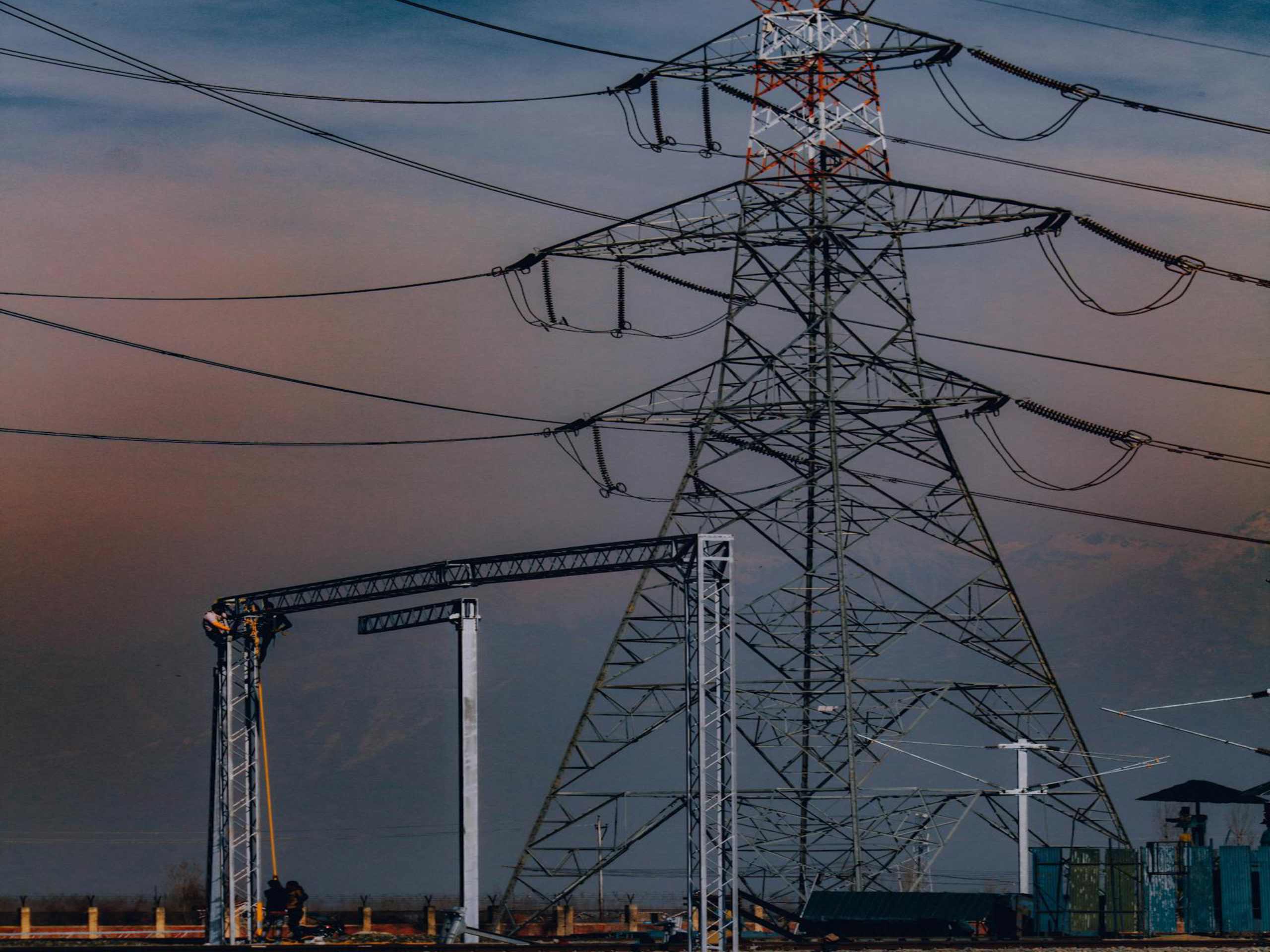
At the end of December 2025, Poland faced one of the most coordinated and consequential cyberattacks in its history — a multi‑stage offensive targeting the very systems that keep the country’s lights on. According to an official briefing from the Chancellery of the Prime Minister, the attacks struck on 29 and 30 December, focusing on combined heat and power (CHP) plants as well as systems responsible for managing electricity from renewable energy sources, including wind and solar installations.

Prime Minister Donald Tusk convened ministers, security services, and energy‑sector leaders in early January to address the severity of the incident. Despite no blackout or service interruption, the government treated the attack as a serious escalation, noting that everything pointed to groups directly linked to Russian intelligence services.

The coordinated intrusions targeted two CHP plants, distributed renewable generation systems such as wind farms and photovoltaic sites, and Operational technology (OT) systems essential for monitoring and dispatching energy.
 
While attackers attempted to penetrate systems that regulate Poland’s distributed energy resources, defensive systems prevented the destabilization of the national network, preserving the safety and continuity of the entire grid.  Notably, at no point was critical transmission infrastructure compromised — a key indicator that Poland’s cyber‑defense posture successfully mitigated a potentially catastrophic scenario.  Yet the narrative is not one of relief alone; it is also one of urgency. The Prime Minister emphasized that Poland’s energy system, while robust, requires additional strengthening, particularly as threats become more complex and geopolitically charged.
 
The incident in Poland reflects a larger global pattern: as energy grids modernize and integrate more renewables, they also expand their digital attack surfaces.  This event serves as a real‑world reminder that cybersecurity and energy security are now inseparable.
 
Cybersplice offers solutions that can help protect against collateral damage and targeted attacks against Operational Technology, providing rapid visibility of OT networks using our Splicecloud platform. Cybersplice can also create a secure private sensor network via Splice-net, which is an encrypted overlay network that works on top of existing carrier infrastructure, offering secure, carrier-independent connectivity. Furthermore, Cybersplice provides an ICS Secure Access Edge that incorporates logical isolation, vulnerability shielding via an encrypted overlay network, passive node discovery, and secure remote access for operators and support partners.